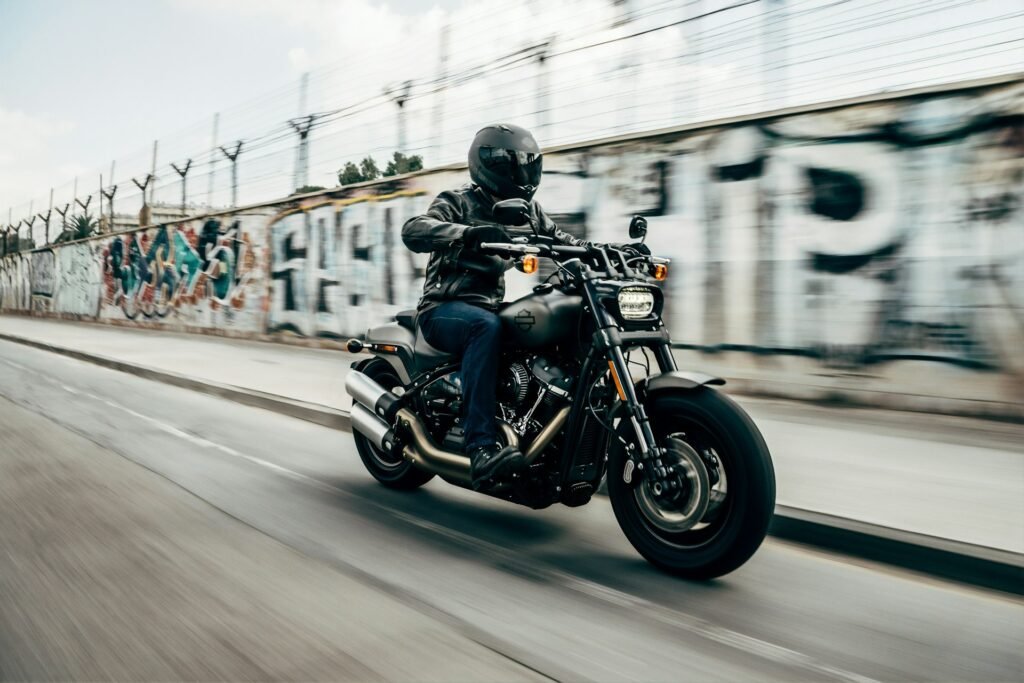
When upgrading your motorcycle’s exhaust system, choosing between premium brands like Arrow, Akrapovic, and REXTORQUE often comes down to balancing performance expectations with budget constraints. All three manufacturers produce high-quality titanium and stainless steel exhaust systems, but they target different market segments with distinct pricing strategies and value propositions.
This comprehensive comparison analyzes real-world pricing, documented performance gains from dyno testing, build quality differences, and the total cost of ownership to help you make an informed decision for your specific motorcycle and riding style.
Quick Price Comparison: What You’ll Actually Pay
Understanding the true cost difference between these three brands requires looking beyond manufacturer suggested retail prices to include installation, tuning requirements, and long-term value retention.
| Exhaust Type | Arrow | Akrapovic | REXTORQUE |
|---|---|---|---|
| Slip-On (Titanium) | €890-€1,200 | €800-€1,400 | €800-€1,100 |
| Full System (Titanium) | €2,200-€3,200 | €2,500-€5,000 | €1,600-€2,400 |
| Full System (Stainless) | €900-€1,500 | €1,800-€2,500 | €1,200-€1,800 |
| Installation Cost | €150-€400 | €150-€400 | €150-€400 |
💡 Key Insight: REXTORQUE full titanium systems cost 33-52% less than comparable Akrapovic systems while using similar grade titanium. Arrow falls in the middle, offering 15-30% savings over Akrapovic. For budget-conscious riders seeking premium materials without the premium price tag, REXTORQUE presents the most compelling value proposition in the European market.
Performance Gains: Real Dyno Data Analysis
According to independent dyno testing from DynoBike, aftermarket exhaust systems deliver measurable but often overstated horsepower improvements. The reality is that slip-on systems provide modest gains (2-5 HP), while full systems with proper ECU tuning can achieve 8-15 HP increases depending on the base motorcycle.
Documented Performance Improvements
| Metric | Arrow | Akrapovic | REXTORQUE |
|---|---|---|---|
| HP Gain (Slip-On) | 2-4 HP | 3-5 HP | 2-3 HP |
| HP Gain (Full + Tune) | 8-12 HP | 10-15 HP | 5-12 HP |
| Weight Savings | 4-7 kg | 3-8 kg | 3-8 kg |
| Sound Level (dB) | 96-106 dB | 94-102 dB | 95-104 dB |
| Torque Improvement | +3-6 Nm | +4-8 Nm | +2-5 Nm |
The performance differences between these three brands are remarkably small in real-world conditions. Multiple forum discussions on R1-Forum and S1000RR Forum confirm that dyno-proven differences typically fall within 1-3 HP margin of error. The quality of ECU tuning matters far more than the exhaust brand when maximizing horsepower gains. For detailed analysis of how much horsepower different exhaust types add, including dyno data, see our technical guide.
Build Quality and Materials Comparison
All three manufacturers use premium materials, but construction methods and quality control vary significantly based on production volume and manufacturing location.
Arrow Special Parts (Italian Manufacturing)
Founded in 1985 and based in Italy, Arrow Special Parts has built a reputation for high-quality TIG welding and extensive use of CNC-machined components. Their exhausts have won over 40 world racing titles, demonstrating durability under extreme conditions.
Material composition: Titanium (Grade 2), 304/316L stainless steel, carbon fiber end caps, and NiChrome alloy headers for specific applications. Arrow uses laser-cut flanges for precise fitment and minimal exhaust leaks. For more detailed information about titanium exhaust systems and material grades, see our comprehensive buyer’s guide.
Akrapovic (Slovenian Manufacturing)
Founded in 1990, Akrapovic has become the gold standard in motorcycle exhausts, particularly in MotoGP racing applications. According to their official specifications, they invest heavily in R&D (research and development) facilities including in-house dyno testing and computational fluid dynamics analysis.
Material composition: Proprietary titanium alloys, carbon fiber reinforced polymers, and high-grade stainless steel with exceptional corrosion resistance. Akrapovic’s TIG welds are often considered the industry benchmark for consistency and strength.
REXTORQUE (Greek ISO 9001 Manufacturing)
As a newer entrant focusing on custom fabrication, REXTORQUE combines European craftsmanship standards with competitive pricing. Their ISO 9001 certification ensures consistent quality control processes despite smaller production volumes.
Material composition: Aerospace-grade titanium (Grade 2), 304 stainless steel, and hand-finished welds inspected individually. While production volume is lower than Arrow or Akrapovic, REXTORQUE’s custom fabrication approach allows for motorcycle-specific optimization not available in mass-produced systems. Learn more about our European custom fabrication process and ISO 9001 certification.
Arrow Strengths
- 40+ years racing heritage
- Extensive model compatibility
- Competitive pricing vs Akrapovic
- Aggressive sound character
- Italian design aesthetics
Akrapovic Strengths
- MotoGP-proven technology
- Industry-leading R&D investment
- Exceptional weld quality
- Highest resale value retention
- Refined sound engineering
REXTORQUE Strengths
- Best price-to-performance ratio
- Custom fabrication capabilities
- ISO 9001 quality certification
- European manufacturing standards
- Direct-to-consumer pricing
Sound Character and Noise Compliance
Exhaust sound is highly subjective, but all three brands offer distinct acoustic signatures that appeal to different rider preferences.
Arrow: Known for aggressive, loud exhaust notes particularly with baffles removed. Arrow’s shorty designs emphasize deep bass frequencies with noticeable crackle on deceleration. Sound levels frequently exceed 100 dB, which may violate EU noise regulations (80 dB limit at 50 feet according to EU Regulation 168/2014).
Akrapovic: Engineered for a refined “racing” sound that balances volume with tonal quality. Akrapovic invests in acoustic tuning to create what many riders describe as a “musical” exhaust note. Sound levels typically range 94-102 dB, with most slip-on systems remaining street-legal in Europe when baffles are installed.
REXTORQUE: Custom-tuned sound based on client preferences, with options for both street-legal compliance and track-focused volume. As a custom fabricator, REXTORQUE can design exhaust chambers and baffle configurations to hit specific sound targets, making them ideal for riders in noise-restricted areas.
⚠️ EU Noise Compliance: Under EU Regulation 168/2014, motorcycle exhaust systems must not exceed 80 dB when measured at 50 feet (approximately 15 meters). Many aftermarket exhausts, including high-performance options from all three manufacturers, require baffles installed to meet this requirement. Riders should verify local noise enforcement practices before removing baffles for track use.
Installation Complexity and Fitment Issues
Installation difficulty varies significantly between slip-on systems (typically DIY-friendly) and full exhaust replacements (often requiring professional installation).
Slip-On Installation (1-2 Hours)
All three brands offer excellent fitment for slip-on systems, with minimal modifications required. Arrow and Akrapovic slip-ons typically include:
- Pre-fitted mounting brackets
- Necessary gaskets and springs
- Detailed installation instructions
- Required hardware (bolts, clamps, spacers)
REXTORQUE slip-ons are custom-fitted to specific motorcycle models, ensuring precise alignment without the fitment compromises sometimes found in mass-produced exhausts designed to fit multiple model years.
Full System Installation (3-5 Hours)
Full system replacements require removing stock headers, mid-pipes, and catalytic converters. According to discussions on Triumph Rat forums, Akrapovic full systems generally offer the best fitment due to their extensive R&D investment in CAD-designed mounting points.
Arrow full systems occasionally require minor adjustments to mounting brackets, particularly on older motorcycle models. REXTORQUE custom systems are fabricated specifically for each motorcycle, eliminating fitment issues entirely but increasing lead times (typically 2-4 weeks for custom fabrication).
💡 Installation Tip: Full exhaust systems require ECU remapping to prevent lean fuel conditions that can damage engines. Budget €300-€600 for professional dyno tuning after installation. Pre-programmed fuel maps from manufacturers like Akrapovic and Arrow provide baseline settings but don’t account for individual motorcycle variations, altitude, or fuel quality differences.
Warranty Coverage and Customer Support
Warranty policies vary significantly and should factor into total cost of ownership calculations.
| Warranty Aspect | Arrow | Akrapovic | REXTORQUE |
|---|---|---|---|
| Coverage Period | 24 months | 24 months | 24 months |
| Manufacturing Defects | Yes | Yes | Yes |
| Weld Failures | Covered | Covered | Covered |
| Discoloration (Titanium) | Not covered | Not covered | Not covered |
| Track Use Coverage | Voids warranty | Voids warranty | Case-by-case |
Akrapovic offers the most extensive dealer network across Europe, making warranty claims and technical support more accessible. Arrow’s distributor network is strong in Italy, Spain, and the UK but sparser in Eastern Europe. REXTORQUE, as a direct manufacturer in Greece, handles warranty claims directly, providing personalized customer service but potentially longer turnaround times for replacement parts.
Which Exhaust Offers the Best Value?
Value calculations depend on your priorities: pure performance, brand prestige, budget constraints, or customization needs.
Best for Maximum Performance: Akrapovic
If you’re chasing every last horsepower and have the budget for it, Akrapovic’s extensive R&D investment delivers measurable advantages. Their dyno-proven gains of 10-15 HP with full systems plus tuning justify the premium price for track-focused riders. The brand’s MotoGP heritage and resale value retention make Akrapovic the logical choice for performance enthusiasts.
Best for Value-Conscious Performance: Arrow
Arrow occupies the sweet spot between Akrapovic’s premium pricing and REXTORQUE’s budget focus. You get Italian manufacturing quality, race-proven durability, and 80-90% of Akrapovic’s performance at 30-40% lower cost. For riders who want recognized brand heritage without overpaying for marginal performance differences, Arrow represents intelligent compromise.
Best for Budget and Customization: REXTORQUE
REXTORQUE delivers exceptional value for custom motorcycle builders and cafe racer enthusiasts who prioritize fitment precision and personalized specifications. With prices 33-52% below Akrapovic, you can allocate saved budget toward professional ECU tuning (which matters more than exhaust brand for peak performance). The ISO 9001 certification ensures quality standards comparable to mass-produced competitors, while custom fabrication eliminates the fitment compromises inherent in one-size-fits-most exhaust designs.
At REXTORQUE, we specialize in custom titanium exhaust systems fabricated in Greece with European craftsmanship standards. Our ISO 9001 certification ensures consistent quality, while direct-to-consumer pricing eliminates distributor markups. Whether you’re building a cafe racer or upgrading your sport bike, we offer personalized exhaust solutions tailored to your specific motorcycle and performance goals.
Total Cost of Ownership Analysis
Purchase price represents only 60-70% of total exhaust system cost when factoring in installation, tuning, and maintenance over 5 years.
| Cost Component | Arrow | Akrapovic | REXTORQUE |
|---|---|---|---|
| Exhaust System | €2,700 | €3,750 | €2,000 |
| Installation Labor | €300 | €300 | €300 |
| ECU Tuning | €450 | €450 | €450 |
| Repack/Maintenance | €150 | €150 | €150 |
| Resale Value (Recovery) | -€1,000 | -€1,500 | -€600 |
| Total 5-Year Cost | €2,600 | €3,150 | €2,300 |
Akrapovic’s higher resale value partially offsets its premium purchase price, but REXTORQUE still offers the lowest total cost of ownership over 5 years. Arrow splits the difference, providing good value retention while keeping initial investment moderate.
Key Takeaways
- Price Difference Matters: REXTORQUE costs 33-52% less than Akrapovic for comparable titanium systems, while Arrow offers 15-30% savings. For budget-conscious riders, these differences are substantial.
- Performance Is Nearly Identical: Independent dyno testing shows 1-3 HP differences between brands—within margin of error. ECU tuning quality matters far more than exhaust brand for peak horsepower.
- Build Quality Varies Minimally: All three manufacturers use Grade 2 titanium and produce MIG/TIG welds meeting racing standards. Akrapovic’s weld consistency edges out competitors, but real-world durability differences are negligible.
- Sound Character Is Subjective: Arrow leans aggressive and loud, Akrapovic refined and musical, REXTORQUE customizable. Choose based on personal preference and local noise regulations.
- Resale Value Favors Akrapovic: Premium brands retain 40-50% resale value vs 30-35% for budget options. If you sell motorcycles frequently, factor this into calculations.
- Custom Fabrication Eliminates Fitment Issues: REXTORQUE’s made-to-order approach ensures perfect alignment without the compromises of mass-produced exhausts designed for multiple model years.
Frequently Asked Questions
Is Arrow exhaust as good as Akrapovic?
Arrow exhausts deliver 90-95% of Akrapovic’s performance at 30-40% lower cost. According to dyno testing from DynoBike Australia and forum comparisons on R1-Forum and S1000RR Forum, the horsepower difference between Arrow and Akrapovic full systems ranges from 1-3 HP—well within dyno testing margin of error. Arrow’s TIG welds and titanium construction match Akrapovic’s quality standards, though Akrapovic invests more in R&D for computational fluid dynamics optimization. For most riders, Arrow represents better value unless you prioritize brand prestige or need the absolute maximum performance for competitive racing.
How much HP does an Arrow exhaust add?
Arrow slip-on exhausts typically add 2-4 HP without ECU tuning. Full Arrow exhaust systems with professional dyno tuning can deliver 8-12 HP gains depending on the base motorcycle. According to independent testing, performance gains depend heavily on the stock exhaust restrictions—motorcycles with particularly restrictive OEM systems (like many Euro 5 compliant bikes) see larger improvements. The Arrow Competition series designed for track use provides upper-range gains of 10-12 HP when paired with optimized fuel mapping and removal of catalytic converters.
Why is Akrapovic so expensive?
Akrapovic commands premium pricing due to extensive R&D investment in computational fluid dynamics, proprietary titanium alloys, and MotoGP racing partnerships that drive development costs. The brand has built significant prestige value through 30+ years of racing success, allowing them to charge 40-80% more than competitors for similar materials and performance. Akrapovic exhausts also retain higher resale value (40-50% vs 30-35% for budget brands), partially justifying the initial price premium. However, for riders focused solely on performance-per-dollar, the price premium is difficult to justify based on dyno results alone.
Do I need ECU tuning after installing a full exhaust system?
Yes, ECU tuning is essential after installing any full exhaust system to prevent lean fuel conditions that can damage engines. Removing catalytic converters and stock headers significantly changes exhaust back pressure and airflow, requiring adjusted fuel mapping for optimal performance and engine safety. Pre-programmed fuel maps from manufacturers provide baseline settings but don’t account for individual motorcycle variations, altitude, fuel quality, or additional modifications. Professional dyno tuning costs €300-€600 but typically unlocks an additional 3-5 HP beyond what generic fuel maps provide while ensuring air-fuel ratios remain in safe ranges throughout the RPM band.
Which exhaust is loudest: Arrow, Akrapovic, or REXTORQUE?
Arrow exhausts are typically the loudest with baffles removed, frequently exceeding 105 dB—well above the EU’s 80 dB limit measured at 50 feet. Akrapovic systems emphasize refined sound engineering with volume levels of 94-102 dB, keeping most slip-on configurations street-legal when baffles are installed. REXTORQUE offers customizable sound tuning, allowing riders to specify target volume levels during fabrication. For noise-restricted areas or riders prioritizing street legality, Akrapovic or REXTORQUE with properly designed baffles represent safer choices. Always verify local noise enforcement practices before removing baffles for track use.
How long do titanium exhausts last?
Grade 2 titanium exhausts from all three manufacturers typically last 8-12 years with proper maintenance, significantly outlasting stainless steel alternatives (5-7 years). Titanium’s exceptional corrosion resistance prevents the rust and degradation that plague steel exhausts, particularly in wet climates or winter riding conditions. The primary maintenance requirement is periodic repacking of fiberglass sound dampening material (every 15,000-20,000 km), which costs €80-150 for parts and labor. Titanium discoloration (blue/gold heat coloring) is cosmetic and doesn’t indicate structural weakness—it’s actually prized by many riders for its race-inspired aesthetic.
Can I install a slip-on exhaust myself?
Yes, slip-on exhaust installation is DIY-friendly for mechanically inclined riders with basic tools. The process typically requires 1-2 hours and involves: (1) removing the stock muffler by loosening clamp bolts and springs, (2) cleaning the mounting flange and checking for damage, (3) installing new gaskets provided with the slip-on, (4) sliding the new muffler onto the mid-pipe, and (5) tightening clamps to manufacturer specifications (typically 10-12 Nm torque). Arrow, Akrapovic, and REXTORQUE all provide detailed installation instructions. However, full system installations require exhaust removal, potential fairings removal, and ECU access for tuning—making professional installation advisable unless you have significant mechanical experience.
Are aftermarket exhausts street legal in Europe?
Aftermarket exhausts must meet EU Regulation 168/2014 noise standards (80 dB at 50 feet) and display proper homologation markings to be street legal. Many high-performance exhausts from Arrow, Akrapovic, and REXTORQUE exceed these limits with baffles removed, making them technically illegal for street use in their loudest configuration. However, enforcement varies dramatically by country—some EU nations rarely check exhaust compliance during inspections, while others (Germany, Austria, Switzerland) actively measure noise levels and issue fines for non-compliant systems. Always purchase exhausts with removable baffles and homologation certification, and verify your specific country’s enforcement practices before installation.
What’s the weight difference between titanium and stainless steel exhausts?
Titanium full exhaust systems typically weigh 3-8 kg less than stock systems, while stainless steel aftermarket exhausts save 2-5 kg. For a concrete example, according to Akrapovic’s specifications for the Yamaha MT-09, their titanium slip-on weighs 0.9 kg less than stock (20.4% reduction), while a full titanium system saves approximately 4.2 kg. This weight reduction improves handling by lowering the motorcycle’s center of gravity and reducing rotational mass, which enhances acceleration and braking performance. For more details on motorcycle exhaust weight savings and performance impacts, read our technical analysis. For track-focused riders, titanium’s weight advantage justifies the 40-60% price premium over stainless steel. For street riders, the performance difference is subtle unless you’re riding at 8/10ths or above consistently. To understand the material differences in depth, see our guide comparing titanium vs stainless steel motorcycle exhausts.
How does REXTORQUE compare to premium brands like Akrapovic?
REXTORQUE offers comparable build quality and materials (Grade 2 titanium, ISO 9001 manufacturing standards) at 33-52% lower prices by eliminating distributor markups and focusing on direct-to-consumer sales. Performance gains are similar (5-12 HP with full system and tuning vs Akrapovic’s 10-15 HP), with the difference attributable to Akrapovic’s extensive CFD optimization rather than material quality. The primary trade-offs are longer lead times for custom fabrication (2-4 weeks vs immediate availability from Akrapovic dealers) and lower brand recognition affecting resale value. For custom motorcycle builders and budget-conscious performance enthusiasts, REXTORQUE delivers exceptional value. For riders prioritizing immediate availability, extensive dealer support, or maximum resale value, Akrapovic remains the safer choice despite higher costs.
Do aftermarket exhausts void my motorcycle warranty?
Installing aftermarket exhausts can void warranty coverage for exhaust-related components and potentially engine damage attributed to improper tuning, but manufacturers cannot void your entire motorcycle warranty simply because you installed an aftermarket exhaust. Under EU law (similar to the U.S. Magnuson-Moss Warranty Act), manufacturers must prove that the aftermarket part directly caused the failure before denying warranty claims. However, many dealerships interpret warranty terms conservatively and may refuse claims for any modified motorcycles. To protect yourself: (1) keep stock exhaust for warranty service visits, (2) use manufacturer-provided ECU maps or professional dyno tuning to prevent engine damage, and (3) document all modifications with receipts and professional installation records. Some manufacturers (KTM, Ducati) offer approved aftermarket exhaust lists that preserve full warranty coverage.
What’s the best exhaust for cafe racer builds?
REXTORQUE specializes in custom cafe racer exhausts with hand-fabricated designs that complement retro aesthetics while delivering modern performance. Their custom fabrication approach allows for unique routing solutions, personalized finish options (raw titanium, brushed stainless, ceramic coating), and integration with cafe racer design elements like shorty mufflers, megaphone tips, or vintage-inspired heat shields. Arrow and Akrapovic offer excellent performance but with standardized designs optimized for modern sport bikes rather than custom builds. For cafe racer purists seeking one-of-a-kind exhausts that match their build’s unique character, REXTORQUE’s made-to-order approach provides unmatched flexibility at competitive pricing (€1,200-€2,000 for full custom systems vs €2,500-€4,000 for premium brand alternatives with less customization).
Conclusion: Making Your Decision
The choice between Arrow, Akrapovic, and REXTORQUE ultimately depends on your budget, performance priorities, and value preferences:
Choose Akrapovic if: You want maximum brand prestige, best-in-class resale value, and are willing to pay premium prices for marginal performance advantages. Akrapovic excels for riders who frequently sell motorcycles or compete in racing where every horsepower matters.
Choose Arrow if: You want recognized brand heritage and Italian quality at more accessible pricing. Arrow delivers 90% of Akrapovic’s performance at 60-70% of the cost, making it the logical choice for performance enthusiasts who don’t require absolute maximum gains.
Choose REXTORQUE if: You prioritize value-per-euro, need custom fabrication for unique builds, or want to allocate saved budget toward ECU tuning (which impacts performance more than exhaust brand). REXTORQUE offers the best price-to-performance ratio while maintaining European manufacturing quality standards through ISO 9001 certification.
Ready for a Custom Titanium Exhaust?
REXTORQUE manufactures premium custom exhaust systems in Greece with ISO 9001 quality standards. Get personalized fabrication for your specific motorcycle and performance goals at competitive European pricing.
All three manufacturers produce quality exhaust systems that will transform your motorcycle’s performance and sound. The “best” choice depends entirely on your individual circumstances—there’s no universal answer. Evaluate your priorities, set a realistic budget including installation and tuning costs, and choose the option that delivers the best overall value for your specific needs.